

Every year, billions of dollars in cryptocurrency vanish — not usually through broken cryptography, but through deceived people. Fake support agents, cloned exchange websites, malicious token approvals and romance-scam ‘investment mentors’ account for the overwhelming majority of losses. The encouraging flip side is that crypto security is mostly a set of learnable habits. Holders who master a handful of fundamentals — custody, verification and backup discipline — become dramatically harder targets than those relying on luck.
Custody: Where Your Keys Live Decides Your Risk
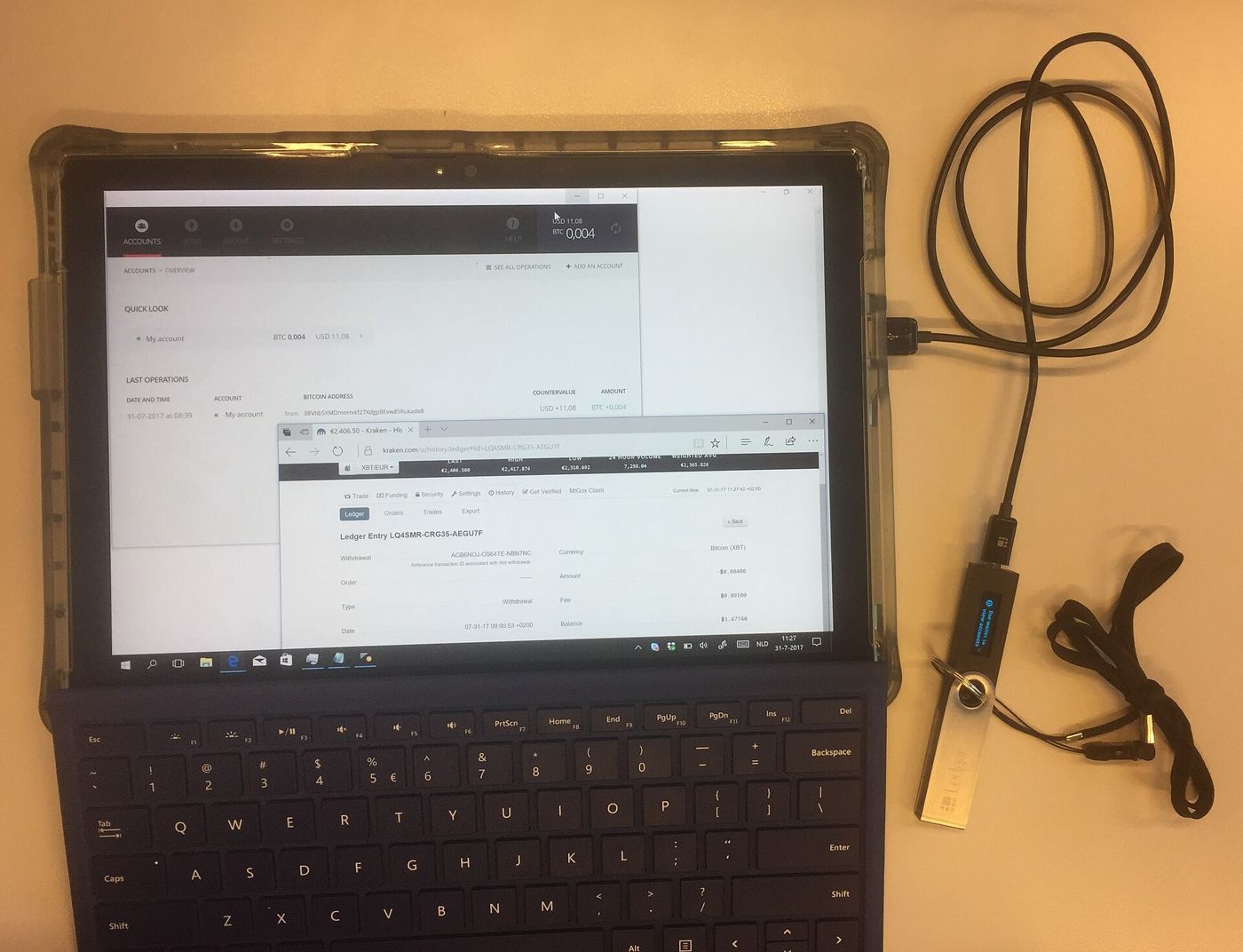
The foundational choice is custody. Keeping assets on an exchange is convenient but means trusting that company’s security and solvency, a lesson written painfully by past collapses. Self-custody with a hardware wallet keeps private keys offline, immune to remote hacking, though it transfers responsibility to the owner. Security researchers quoted by Forbes Digital Assets generally recommend hardware storage for significant holdings, with the recovery phrase written on paper or steel, never photographed or stored in cloud notes.
Our crypto guides repeat one warning above all: anyone who asks for your recovery phrase is stealing from you, without exception. No legitimate company, wallet provider or ‘support agent’ will ever request it. The same applies to unsolicited links — bookmark official sites, type addresses manually for large transfers, and send a small test transaction before moving serious amounts to a new address.
Approvals, Updates and the Human Layer
A subtler modern threat hides in token approvals: connecting a wallet to a malicious site can grant contracts permission to drain specific assets later. Tools now exist to review and revoke old approvals, and cautious users keep a separate ‘hot’ wallet with small balances for experiments, isolating their main holdings entirely. Keeping wallet software and devices updated, and using unique passwords plus hardware-based two-factor authentication on exchange accounts, closes the remaining common doors.
Finally, plan for the non-digital risks: theft, fire, and the possibility that heirs may one day need access. Sealed instructions stored with legal documents, split backups in separate locations and a trusted contact who knows the plan exist are standard advice from estate specialists. Crypto promised financial self-sovereignty; security is the price of exercising it. Paid carefully, in habits rather than money, it buys genuine peace of mind.
Exchange selection belongs in any complete security review, for those who do keep some assets on platforms. Prefer services with proof-of-reserves reporting, withdrawal allow-listing, hardware-key support and a long record of honouring withdrawals in stressed markets. Spread large holdings thoughtfully, keep trading balances separate from long-term storage, and rehearse your recovery process before an emergency forces the rehearsal. Security professionals describe protection as layers, each cheap, none sufficient alone: custody discipline, verification habits, account hardening and an inheritance plan. Attackers probe for the one missing layer; the goal is simply to have none missing.
Scams increasingly begin on social platforms, where impersonators copy real accounts down to the profile photo and reply to posts with fake giveaways or support offers. Verifying handles character by character, distrusting direct messages about investments and remembering that real giveaways never ask for a deposit first will filter out nearly all of it. In crypto, scepticism is not cynicism — it is basic hygiene.
