

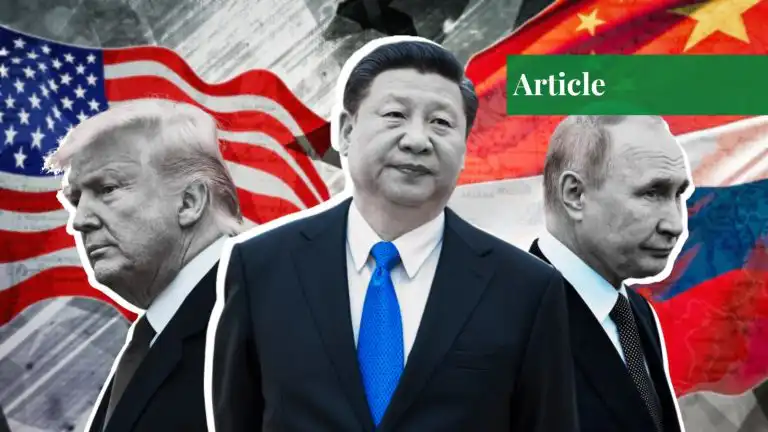
Global politics is changing faster than ever, with major countries making bold decisions that are reshaping alliances, economies, and international influence. This exclusive political update highlights the most important global power shifts, policy changes, and strategic moves that are influencing today’s world order. From economic pressure to diplomatic realignments, nations are adjusting their positions in ways that could define the future of global stability.
Major Global Power Realignments Reshaping the World
Shifting Alliances Between Leading Nations
In recent years, global political relationships have become more flexible and strategic. Countries that were once strong allies are now reassessing their priorities based on economic and security interests. This shift is not sudden but a result of long-term geopolitical competition. Nations are forming new partnerships to strengthen trade, defense, and energy cooperation, which is gradually changing the traditional balance of power in international relations.
Rise of Emerging Economies in Global Politics
Emerging economies are playing a much bigger role in shaping global decisions. Countries from Asia, Africa, and Latin America are gaining influence through rapid economic growth and digital transformation. These nations are no longer passive participants but active decision-makers in international forums. Their growing economic strength is challenging long-standing global dominance and creating a more multipolar world structure.
Decline of Traditional Power Dominance
Traditional global powers are facing increasing pressure to maintain their influence. Economic challenges, internal political changes, and shifting global priorities are reducing their unilateral control. While they still hold significant power, their dominance is being balanced by rising nations. This transition is creating a more complex and competitive global political environment where no single country can fully control global direction.
Major Policy Changes Influencing International Relations
Economic Policy Adjustments Across Major Economies
Global economies are implementing new policies to protect national interests and strengthen domestic growth. Trade regulations, investment restrictions, and financial reforms are becoming more common. These policies are designed to reduce dependency on external markets while improving internal stability. However, they also create tension between countries, especially when economic interests overlap or conflict.
Security and Defense Strategy Revisions
Many nations are updating their defense strategies to respond to new global threats. Cybersecurity, border protection, and military modernization have become top priorities. Countries are investing heavily in advanced technology and intelligence systems to maintain security. These changes are not only defensive but also strategic, as nations aim to strengthen their global positioning in an uncertain world.
Diplomatic Efforts and Peace Negotiations
Despite rising tensions, diplomatic efforts are still ongoing in many regions. Governments are engaging in negotiations to avoid conflicts and promote stability. International organizations are also playing a key role in mediating disputes. These diplomatic activities show that while global politics is competitive, there is still a strong push toward maintaining peace and cooperation.
Unexpected Global Political Shifts and Future Outlook
Sudden Changes in Leadership Strategies
Political leadership across various countries is experiencing unexpected shifts in strategy. Leaders are adapting quickly to global economic pressures and public expectations. These changes often result in policy reversals or new directions that impact international relations. Such unpredictability adds complexity to global decision-making and requires constant adjustment by other nations.
Influence of Technology on Global Power Balance
Technology is becoming a major factor in global politics. Countries leading in artificial intelligence, cybersecurity, and digital infrastructure are gaining significant advantages. Technological power now plays a key role in economic strength and national security. This shift is redefining what it means to be a global superpower in the modern era.
Future Predictions for Global Political Stability
The future of global politics is expected to remain dynamic and uncertain. While cooperation between nations continues, competition for resources, influence, and technological dominance is increasing. Experts believe the world is moving toward a multipolar system where multiple countries share power instead of one dominant leader. This evolution will shape international relations for decades to come.
FAQs
1. What does global power shift mean?
It refers to changes in influence and control among countries in world politics.
2. Why are emerging economies becoming important?
Because their rapid growth is increasing their role in global decision-making.
3. How does technology affect global politics?
It influences security, economy, and international competitiveness.
4. Are traditional superpowers losing influence?
They are not losing completely but facing stronger competition from rising nations.
5. What is a multipolar world?
A system where multiple countries share global power instead of one dominant nation.
Conclusion
Global politics is entering a new era marked by shifting alliances, evolving policies, and unexpected changes in power structures. While traditional leaders still play a major role, emerging economies and technological advancements are reshaping the international landscape. Understanding these developments is essential for anyone following global political updates, as the world continues to move toward a more balanced and competitive system of global influence.